
Co-op & Experiential Learning
Combining rigorous academics with a variety of experiential learning opportunities
Northeastern’s approach to education combines rigorous academics with experiential learning anchored by our world-renowned cooperative education program. Experiential learning encompasses our co-op program as well as research, global experiences, service learning, and student organizations.
Cooperative Education
Co-op affords students the chance to work in engineering practice prior to graduation. Through this program, undergraduate and graduate students gain hands-on, professional experience as well as a chance to build personal connections and contacts within their field of interest.
The Co-op Advantage
Lee Makowski, professor of bioengineering, speaks to the value of the of co-op experience as part of the educational curriculum and how it gives students the opportunity to make an impact in the field while in the program and also a competitive advantage after graduation.
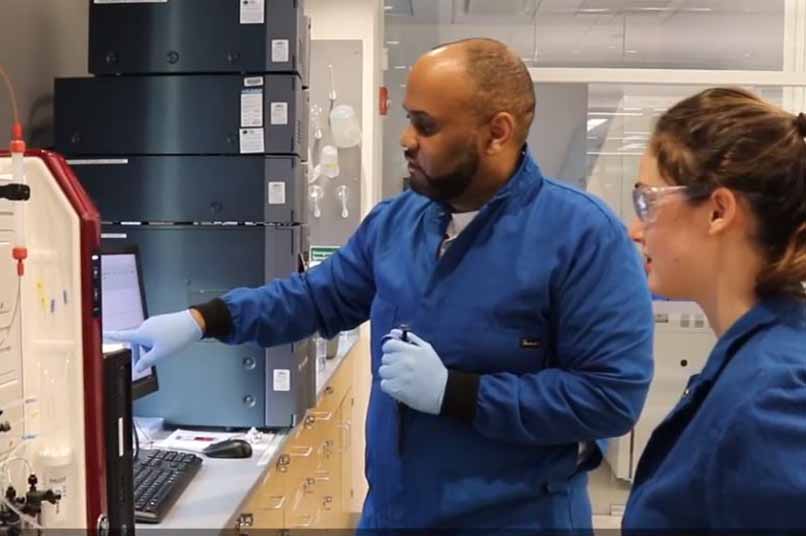
Co-op Helped Her Achieve Her Next Step in Medical School
Aanie Phillips, BS in bioengineering, says co-op puts into perspective what you learn in the classroom providing an immersive learning experience. She did two co-ops, a clinical one at a doctor’s office, and the other as a mechanical and operations engineer at Virtudent, a teledentistry startup. Aaanie is off to medical school with a full scholarship from her top-choice school.
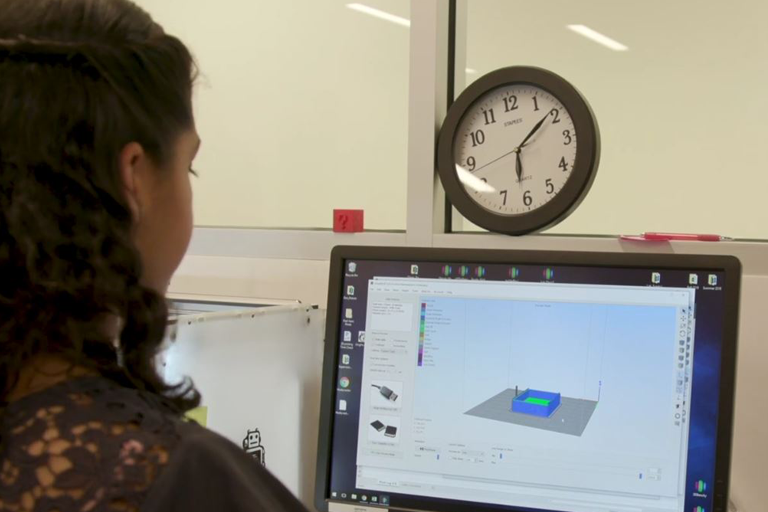
Master's Student Improves Manufacturing Technologies for Therapies on Co-op
Millicent Gabriel, MS in bioengineering, had a co-op at bluebird bio. She worked on improving current manufacturing technologies for therapies. She says her knowledge grew twofold and the connections in Boston with the biotechnology industry and anything bioengineering related is invaluable. The professors, classes, and co-op has prepared her for the workplace.
Bioengineering Co-op Quick Facts
- Bio-rad
- Boston Scientific
- Covidien
- Genzyme
- MIT Lincoln Labs
- Novartis
- Smith and Nephew
- Vention Medical
- Wyss Institute for Biologically Inspired Engineering
- Alternative Biofuels
- Biotechnology
- Imaging
- Medical Devices
- Nano Medicine
- Pharmaceutical
- Tissue Engineering
- Research and development
- Medical device design
- Instrumentation design
- Lab technician, manufacturing
- Advanced material
- Research and development
- $18 (sophomore)–$22 (senior)
- 30 – 40 employers in bioengineering
The Role of Faculty Co-op Coordinators for Students and Employers
- Students: We meet with students to prepare them for co-op and advise them on career related matters. As faculty members, we teach co-op and career-related courses and work with students one-on-one. Both undergraduate and graduate students are eligible to participate in co-op.
- Employers: We also work closely with companies to develop quality co-op positions for our students that also provide a contribution to the employer. In order to make hiring easier, we want to understand the type of candidate hiring managers are looking for and screen candidates.
How Co-op Works
- Schedule: Undergraduate students work for 6 months, from January – June and July – December. Graduate students work for 4, 6, or 8 months at a time depending on the position and the student’s availability.
- Hours: Co-op positions are full time (40 hr/wk) during which time the student has no obligations to the school, but is focused full time on their employment – making a substantial contribution to their employer while simultaneously learning and applying course work taken to date.
- Pay: Co-ops are paid positions, with the wage determined by the employer. Co-op Coordinators collect wage information at least once a year and will share average pay ranges with employers in order to stay competitive.
Become a Co-op Employer
- Creating a Position: To get started in the hiring process, employers are required to complete and submit a job description at: https://nucareers.northeastern.edu/employers/overview.htm
- Deadlines: Job descriptions are due at the end of January and the end of September for the Spring and Fall terms, respectively. Employers who have missed the deadlines are still encouraged to reach a coordinator, as the hiring cycle takes several months and we may still have candidates available.
Experiential Learning
Student Organizations

Erin Provost, E’19, bioengineering, designed a modified game controller for a teenager with cerebral palsy as part of the Enabling Engineering student group.
Global Experiences
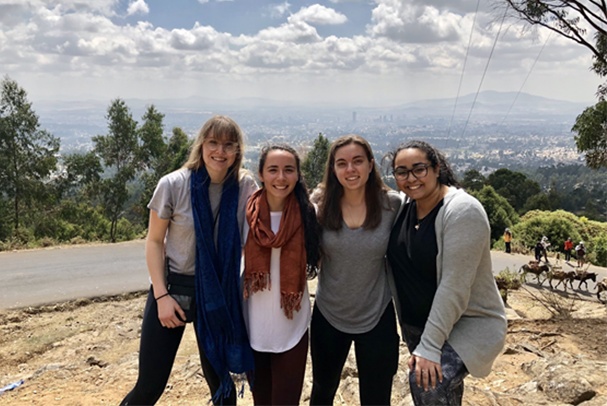
Bioengineering students traveled to Addis Ababa, Ethiopia with a faculty member for two weeks to work with biomedical technicians at St Paul’s hospital.
Student Research
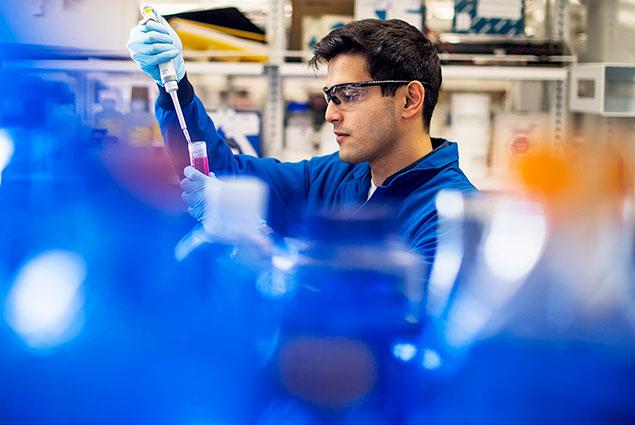
Minhal Ahmed, E’19, bioengineering, began conducting research at Northeastern the summer after his freshman year. Upon graduation, he had achieved numerous prestigious awards including the Barry Goldwater Scholarship, George J. Mitchell Scholar, and 2019 Harold D. Hodgkinson Achievement Award—one of the highest honors a senior can receive.
Student Experiences
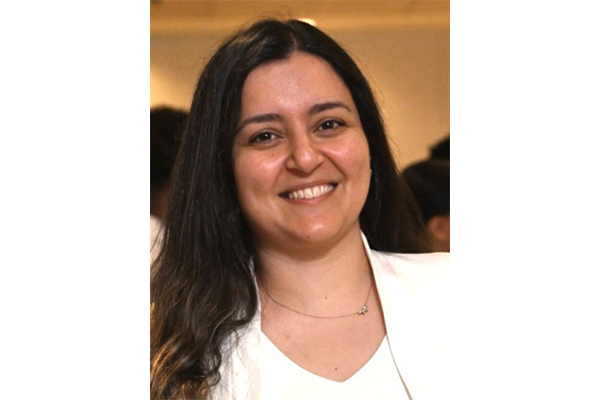
Curiosity and Learning Lead to Positive Impact
Fereshteh Sadeghian, PhD’26, bioengineering, is currently a graduate research assistant at the Cram Lab at Northeastern. With her passion for learning and a desire to improve healthcare research, Sadeghian will continue to apply her knowledge and experience to find innovations in the medical field.
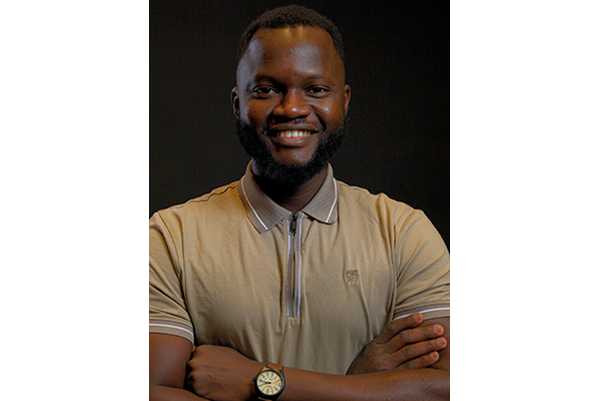
Deep Dive into the Success of Emmanual Amoako
Emmanual Amoako, MS’25, bioengineering, has recently defended his master’s thesis and graduated from Northeastern University. With a passion for service and extensive laboratory research, Amoako will help usher in a new age for accessible medical instruments.
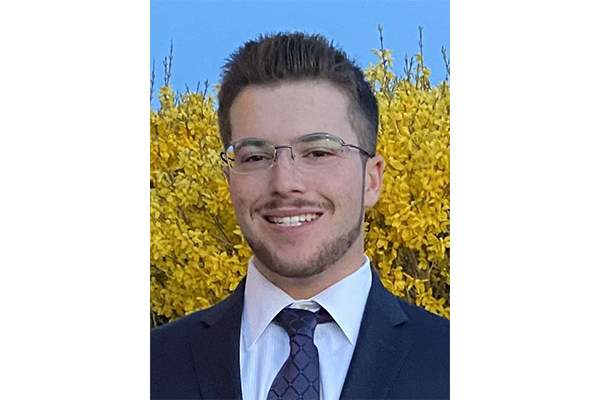
Giving Back and Going Forward in Bioengineering
Daniel Groysman, MS’26, bioengineering, is confidently on track to graduate this year. With an extensive skill set and determination, Groysman is becoming an excellent candidate for his future employers in the biomedical field.
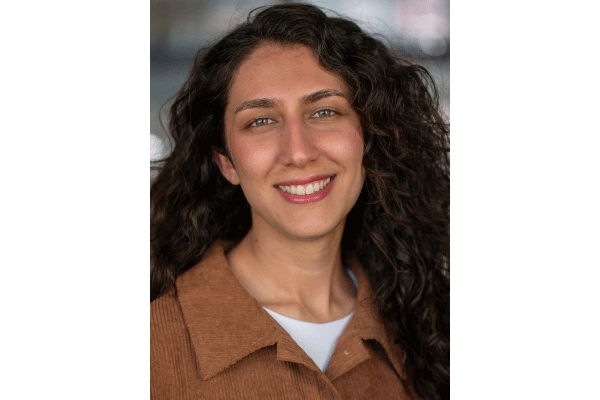
Driven by Impact: A Bioengineering Researcher’s Story
Mahsa Karamzadeh, PhD ’27, bioengineering, blends her passion for engineering and call to service to fuel her research. Recently, Karamzadeh and her team published their study on Chiari Type 1 patients in the Magnetic Resonance Imaging journal.