
Research
Convergent research with collaboration across government, industry, and academia
Faculty conduct research as part of the College of Engineering’s multidisciplinary research centers and institutes, such as the Institute for the Chemical Imaging of Living Systems, and the Institute for Mechanobiology, and within their laboratories.
The department’s research areas of focus include Biomechanics and Mechanobiology; Biomedical Devices and Bioimaging; Molecular, Cell, and Tissue Engineering; and Systems, Synthetic, and Computational Bioengineering.
View faculty profiles for laboratory research as well as our recent Annual Reports.
Quick Facts
external research awards (2022-2024)
young investigator awards
professional society fellowships
Full-time faculty
External Research Funding Examples
- Paul G. Allen Frontiers Group
- National Institutes of Health
- National Science Foundation
- National Cancer Institute
- National Institute of Arthritis and Musculoskeletal and Skin Diseases
- American Heart Association
- National Institute of Neurological Disorders and Stroke
- The Department of Homeland Security
Latest News
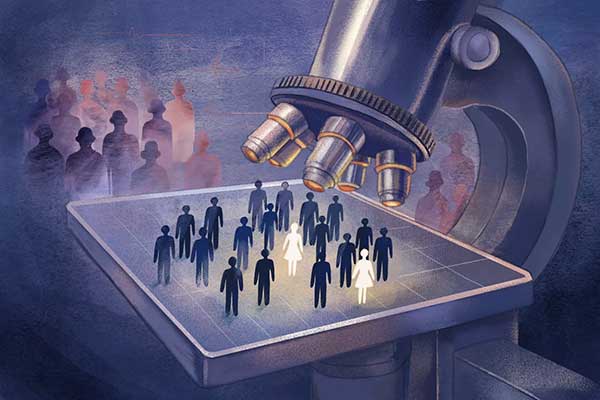
Northeastern Engineering Professors on the Lack of Representation in Medical Research
MIE/BioE Professor Sandra Shefelbine and BioE Associate Professor Chiara Bellini discuss the lack of representation of women in medicine and medical research, specifically in their research areas of bone biomechanics and cardiovascular health–respectively.
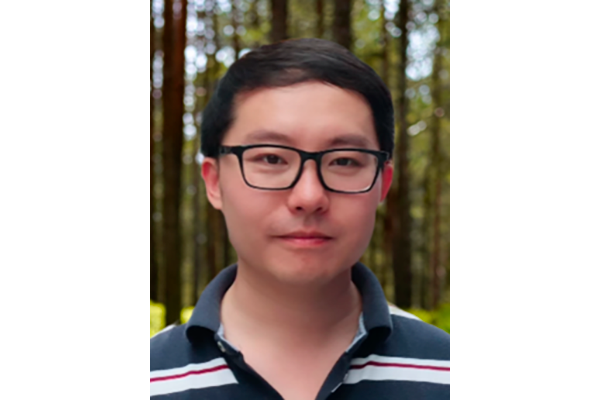
Improving the Ability of Immune Cells to Distinguish Tumor Cells from Healthy Tissue
BioE Assistant Professor Yinnian Feng and an international team of researchers have published a breakthrough study in Cell titled “Tuning the sensitivity of mechanosensory receptors through histidine scanning.”

Bioengineering Innovation Creates Discovery with Ashwagandha
COS/BioE Professor Jing-Ke Weng recently published research that discovered how to recreate the helpful withanolides in Ashwagandha in a particular yeast strain, creating a new scope for the magnitude of healing properties in the herb.

Patent for Advanced AI Technology to Track and Stop Cancer Cell Growth
BioE Assistant Research Professor Kiran Vanaja was awarded a patent for “Multi-dimensional phenotypic space for genotype to phenotype mapping and intelligent design of cancer drug therapies using a deep learning net.”